Overview
Product Sable
A Y Combinator challenger bank (Summer 2019, New York), built by internationals to make banking easy for newcomers to the US, with a secured card and bank account and no credit check. It has since been acquired.
The brief Benefits and rewards
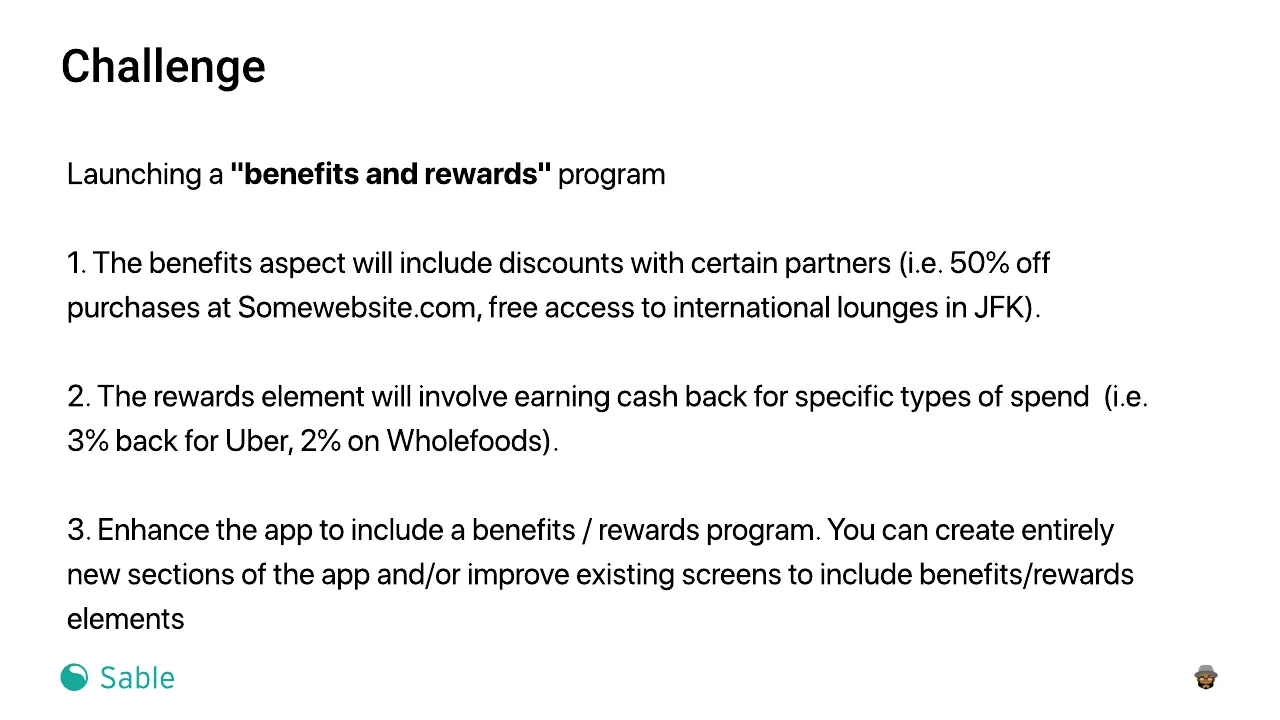
Design a benefits and rewards program into the app: partner discounts, and cash back on certain kinds of spend.
Why it matters Acquisition and activation
The program attracts new customers and gets them using their cards. Sable makes money on both.
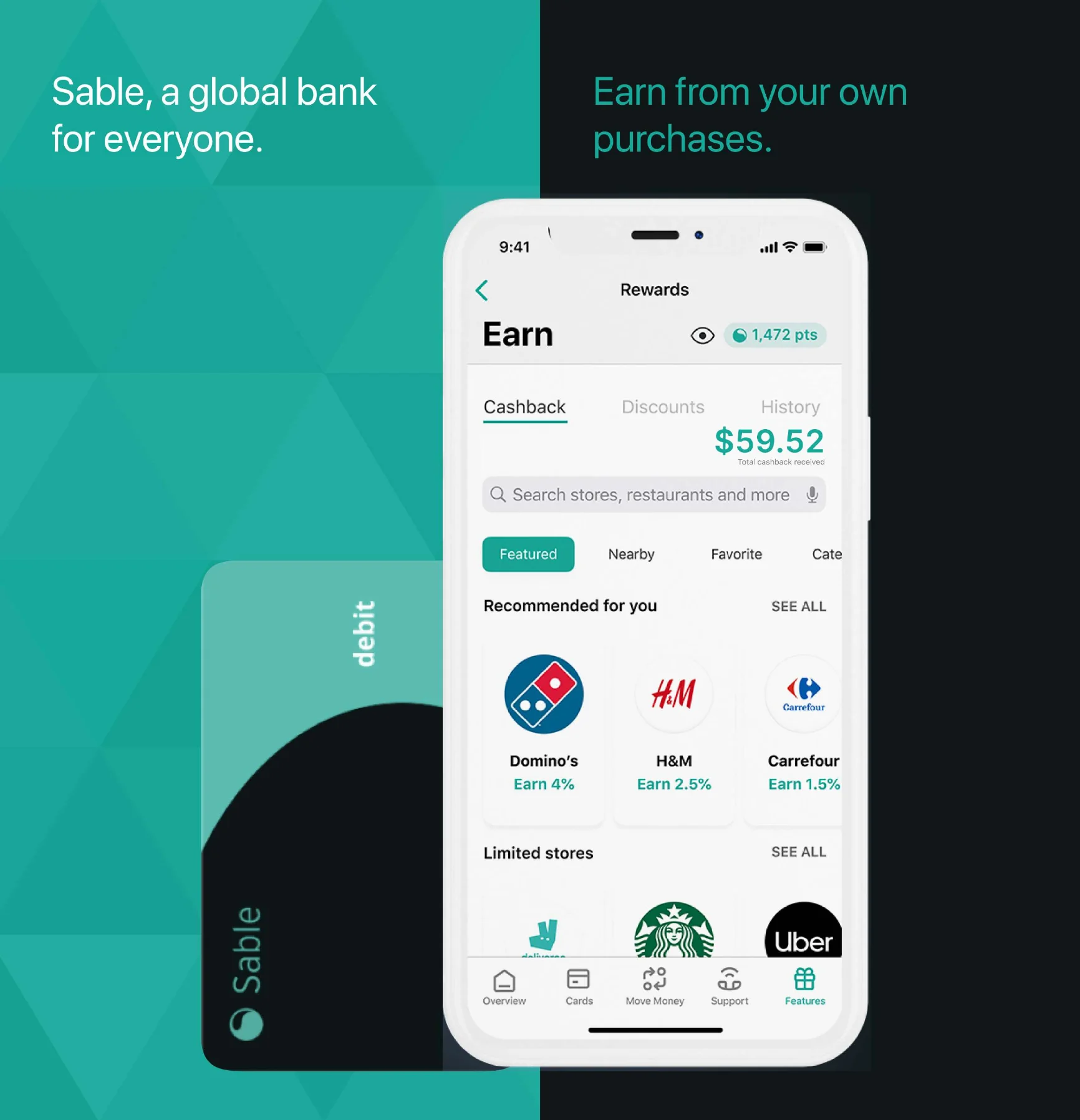
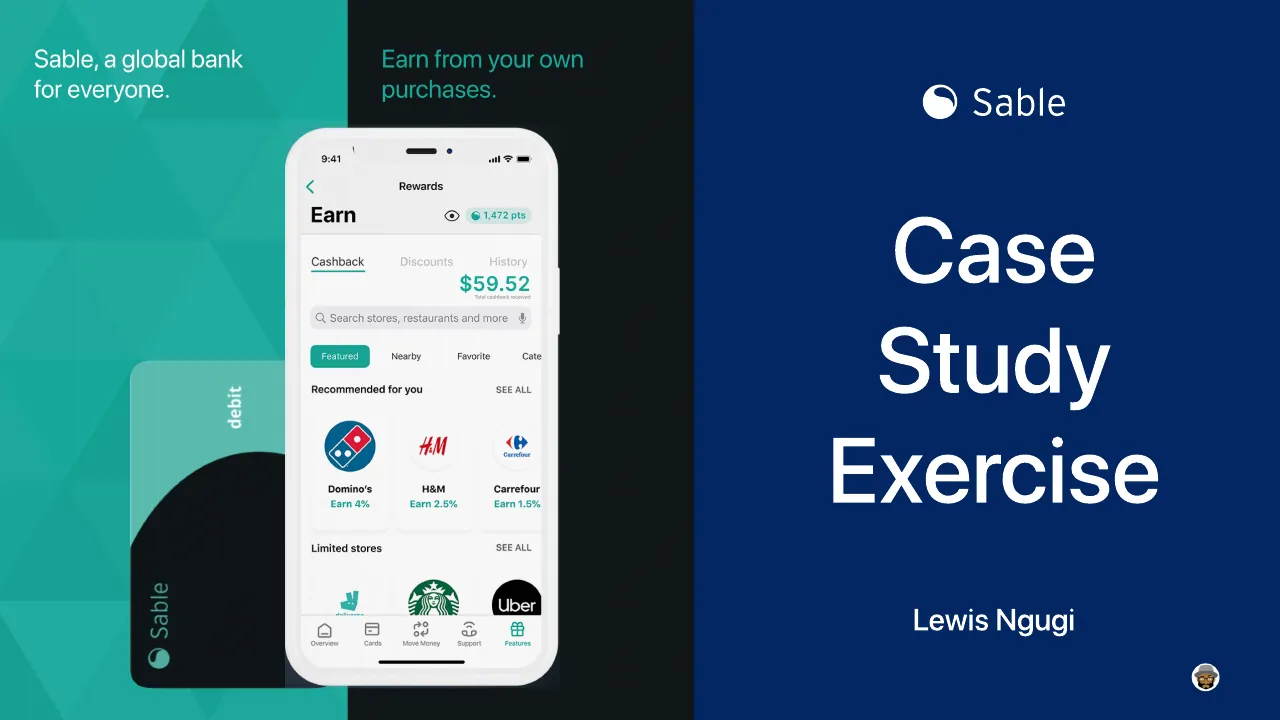
What I designed Earn
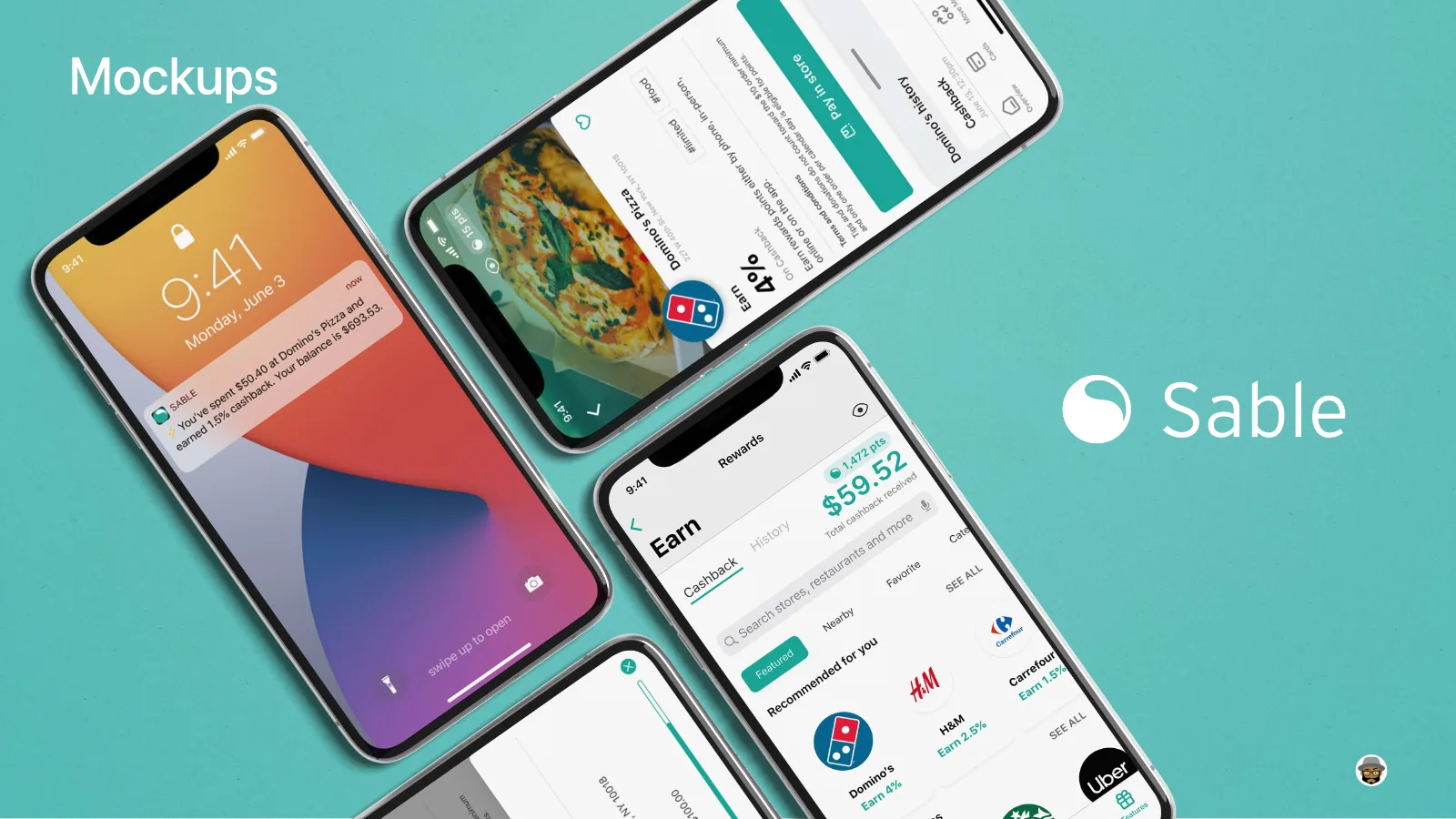
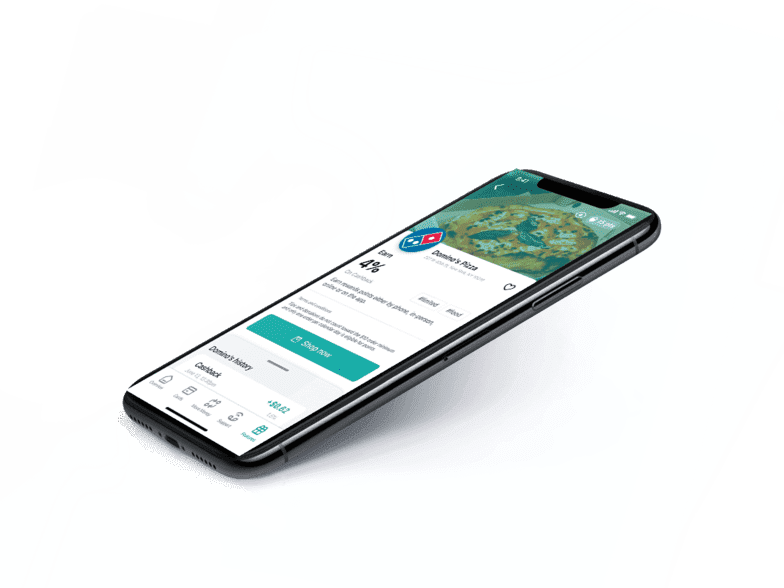
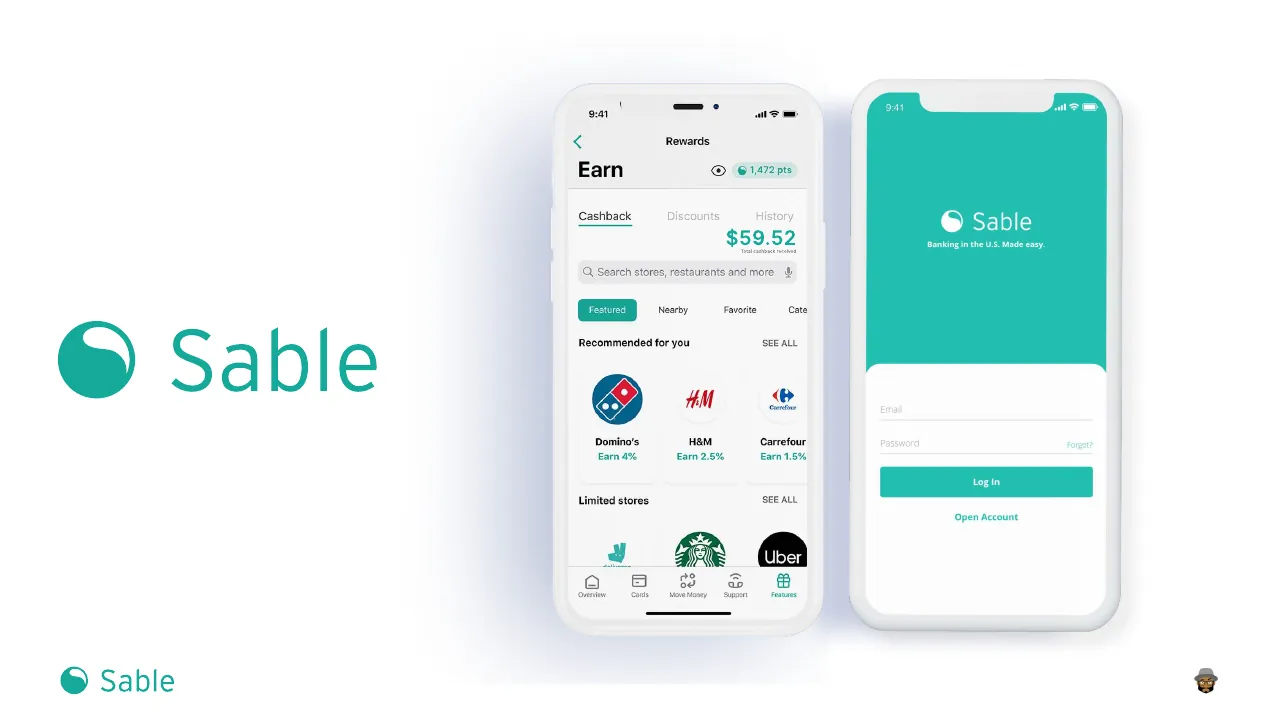
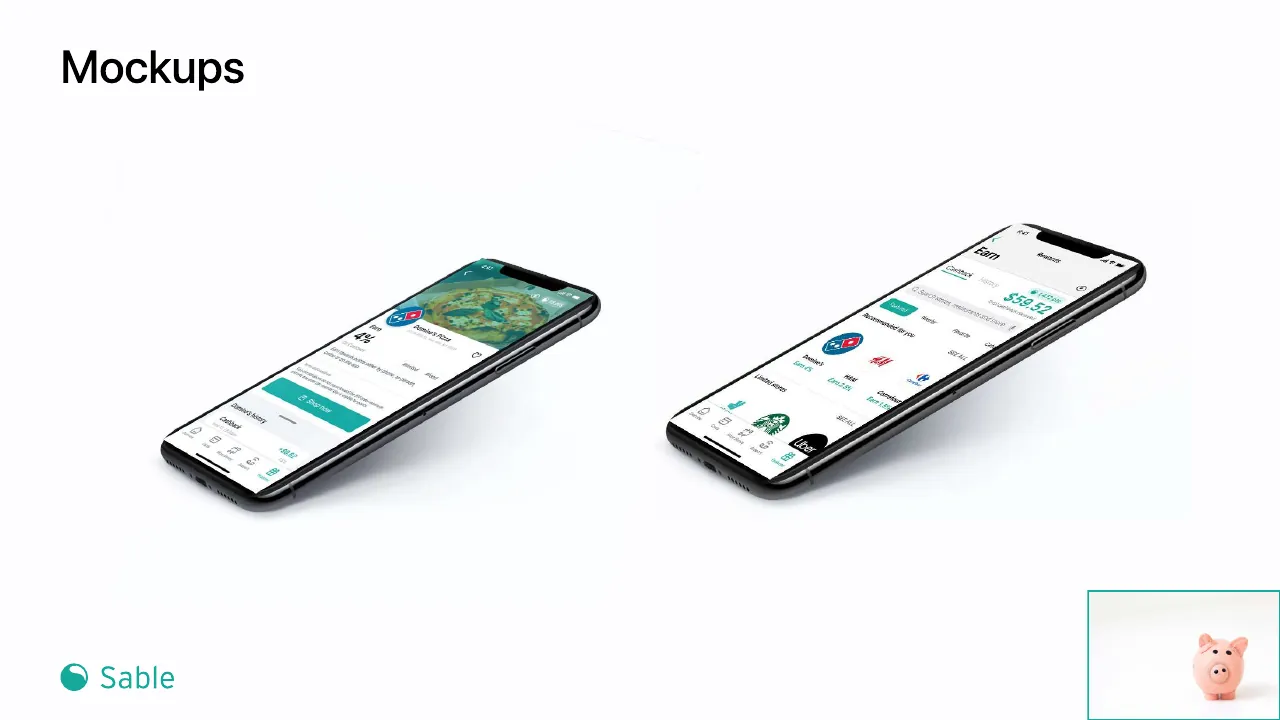
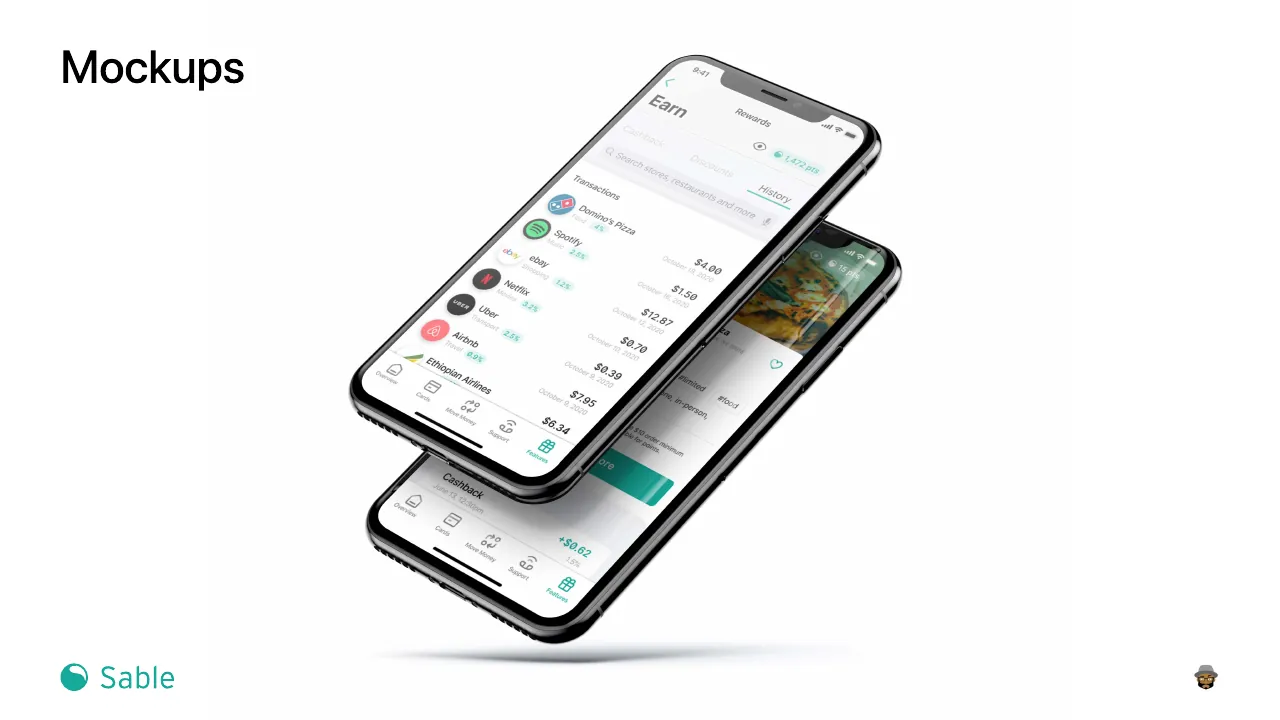
A rewards space with cashback, discounts and history, offers recommended for you, and limited-time stores.
* This was a design challenge, completed as part of an interview.
Project details
- Role
- UX Designer
- Timeframe
- Design Toolkit


Figma · Adobe Suite (PS, AI) · Overflow
- How we did it
- Understand & Audit
- UX Research
- User Experience Design
- Visual & UI Design
Context
Credit history shapes an immigrant’s life in the US, from a phone plan to a mortgage.
Sable helps prospective US immigrants open a bank account even before they arrive. Credit history affects getting a phone plan, renting an apartment, getting a job or a mortgage, and everything in between.
Its target market at the time: internationals who had recently moved to the US.
The brief
Add a benefits and rewards program to the app, in a way that fits the bank for internationals.
Benefits: discounts with partners, such as 50% off purchases at a partner’s site or free access to international lounges at JFK.
Rewards: cash back on specific kinds of spend, such as 3% back on Uber or 2% at Whole Foods.
The sample screens were minimal, so I could add new sections and change existing screens as much as needed.
Market research
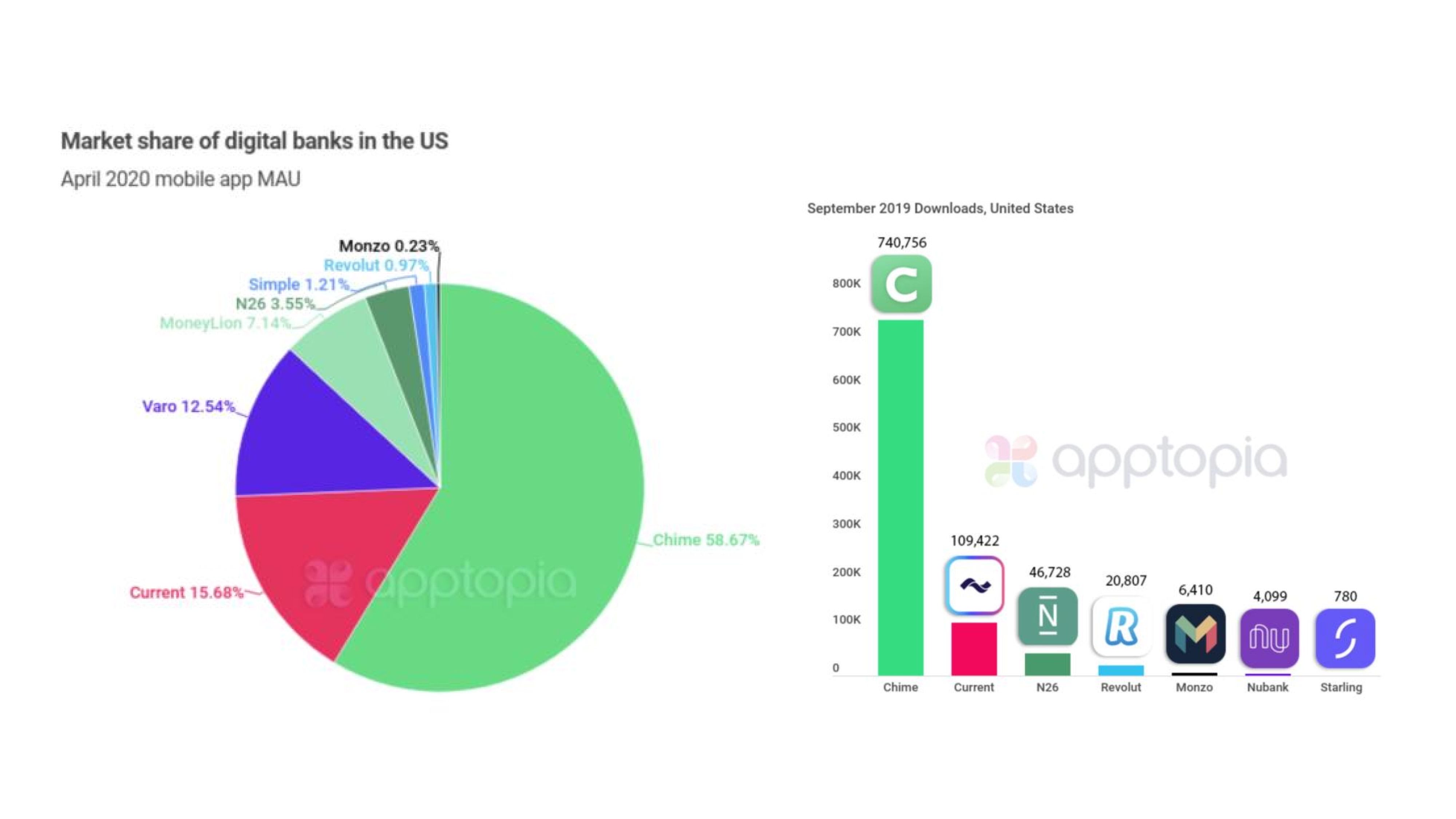
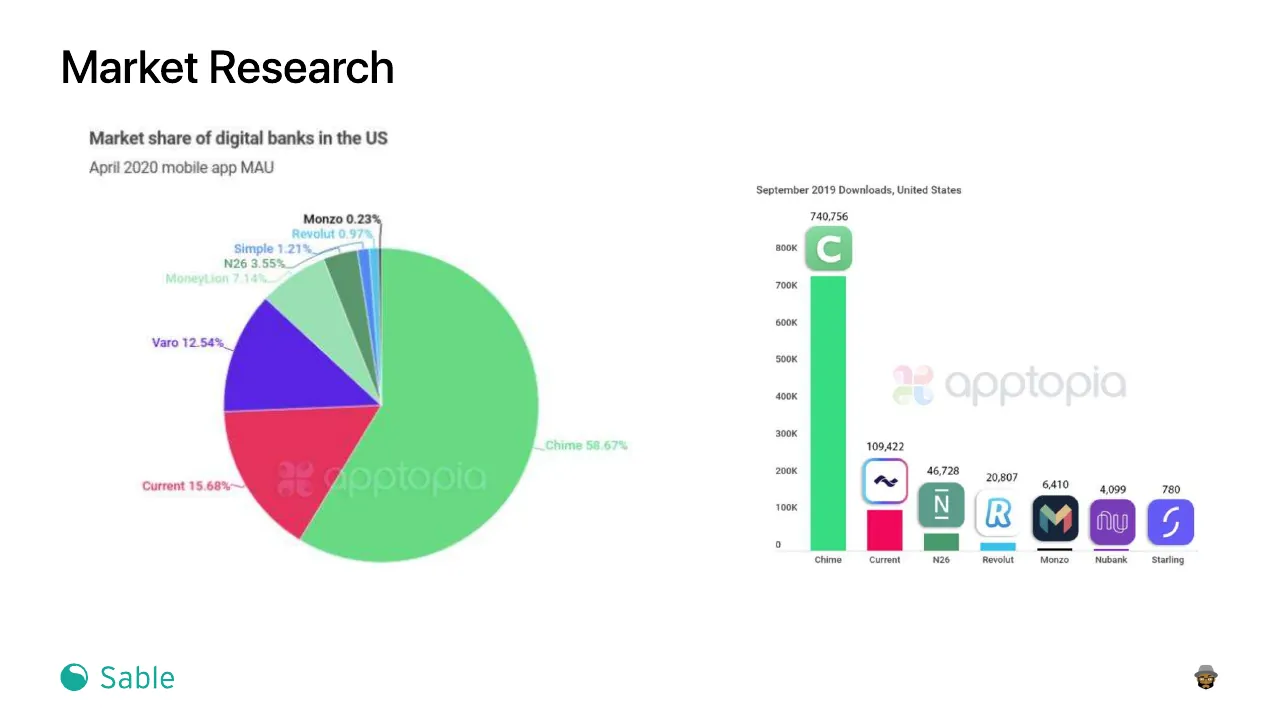
US digital banking was led by Chime, far ahead of Current, Varo and the rest.
Apptopia data on monthly active users (April 2020) and downloads (September 2019) set the scale of the competition a newcomer bank was up against.
The problem
Traditional cashback portals are a bit clunky.
You find an offer worth 2% back, click it, get sent to the partner’s site and hope the purchase registers. Later, the money arrives on the cashback website, and you still have to cash it out to your bank account.
Competitor research
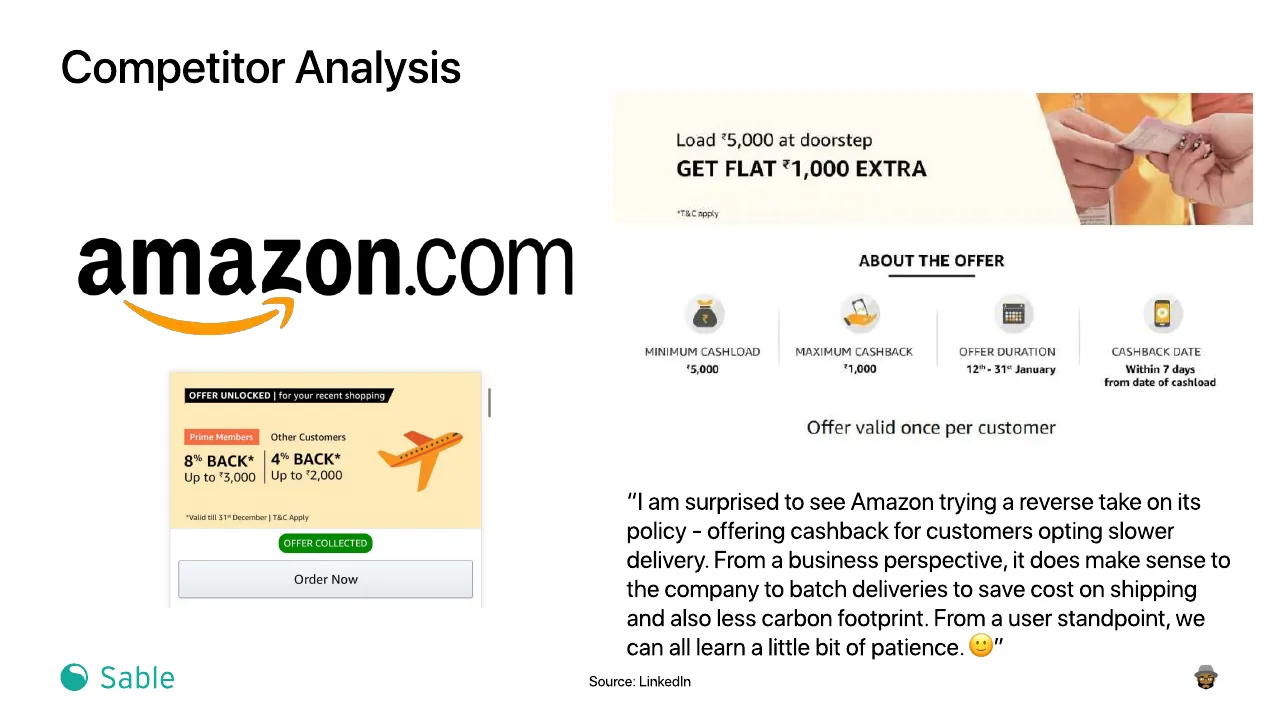
Amazon ran the offer in reverse: cash back for choosing slower delivery.
Amazon Pay offered 8% back to Prime members and 4% to everyone else who picked a slower delivery, and a flat ₹1,000 extra for loading ₹5,000 at the doorstep. One LinkedIn post summed up the reaction:
I am surprised to see Amazon trying a reverse take on its policy — offering cashback for customers opting slower delivery. From a business perspective, it does make sense to the company to batch deliveries to save cost on shipping and also less carbon footprint.
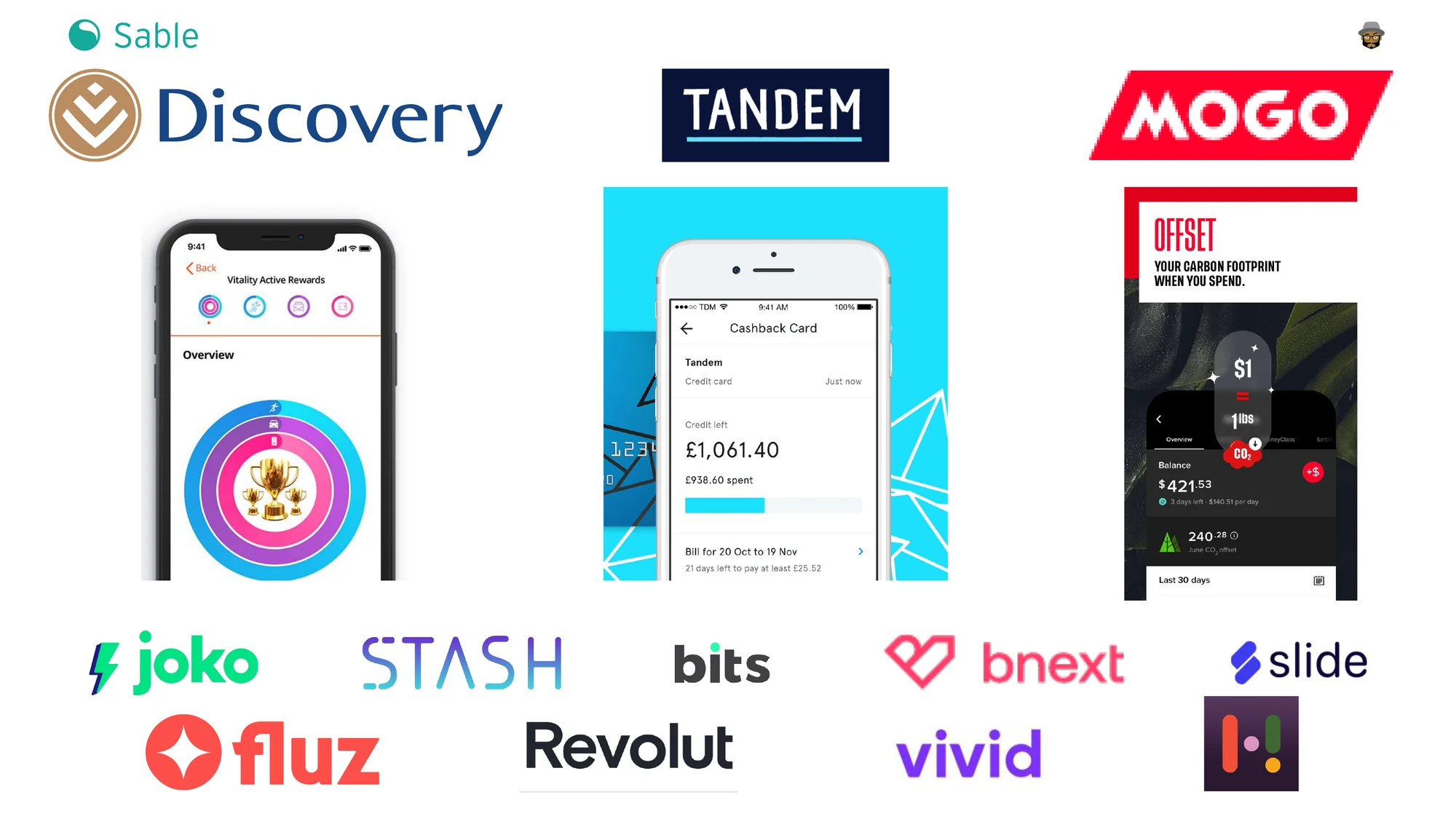
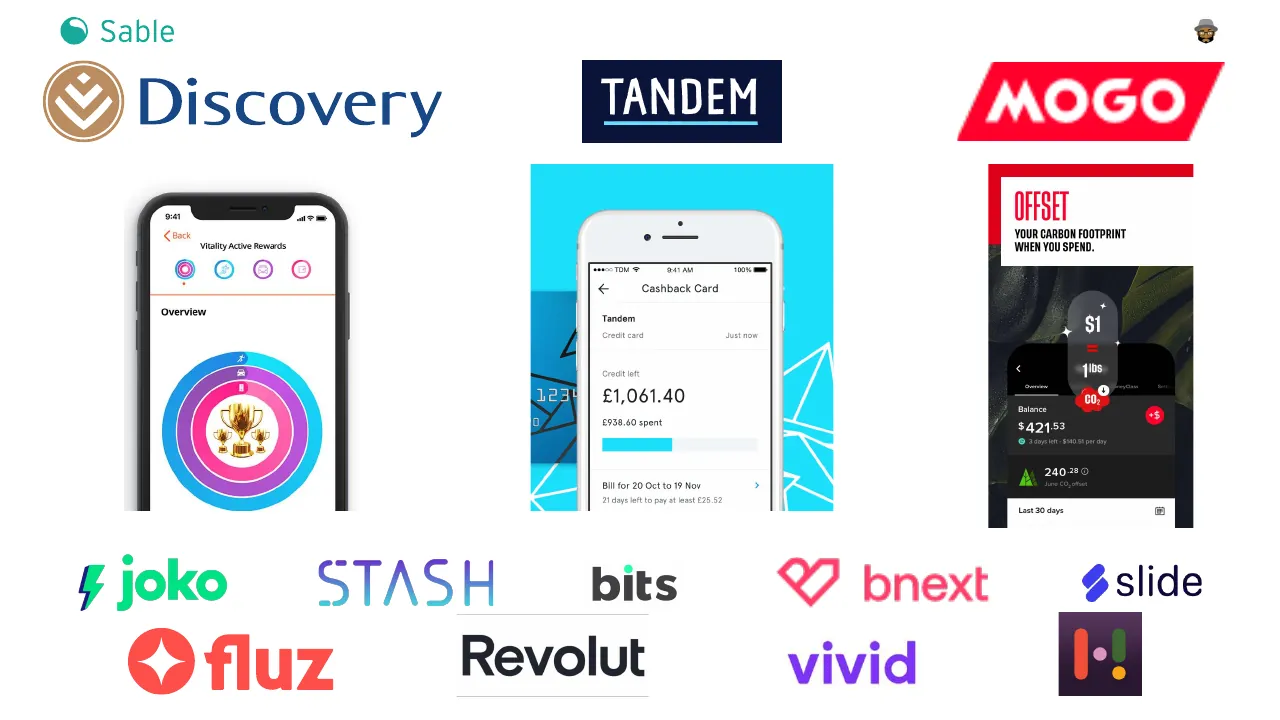
The rest of the review covered rewards apps from Discovery’s Vitality Active Rewards and Tandem’s cashback card to Mogo, which offsets your carbon footprint as you spend.
Persona
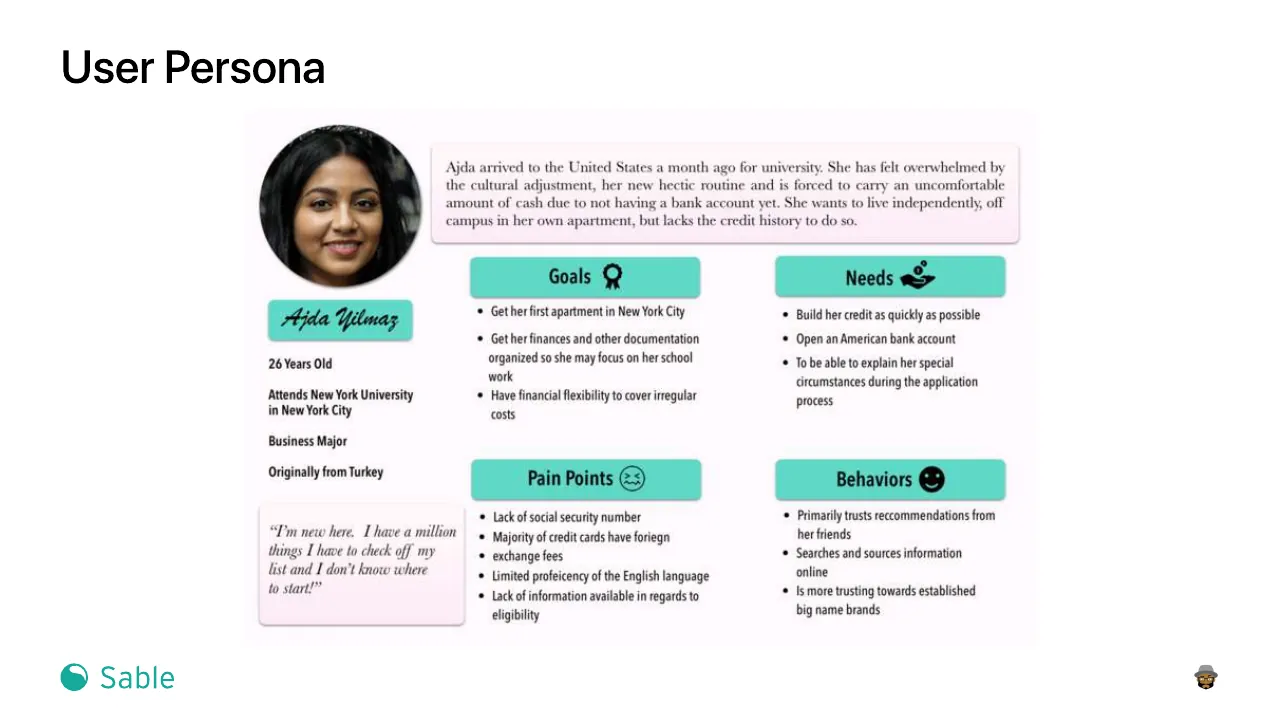
Ajda arrived a month ago and is carrying an uncomfortable amount of cash.
Ajda Yilmaz is 26, originally from Turkey, and a business major at New York University. She arrived in the US for university, has no bank account yet, and wants to move off campus into her own apartment, but has no credit history to do it.
I’m new here. I have a million things I have to check off my list and I don’t know where to start!
Goals
- Get her first apartment in New York City
- Get her finances and documents organised so she can focus on school
- Have the flexibility to cover irregular costs
Needs
- Build her credit as quickly as possible
- Open an American bank account
- Explain her circumstances during the application
Pain points
- No Social Security number
- Most credit cards charge foreign exchange fees
- Limited English
- Little information about eligibility
Behaviours
- Trusts recommendations from friends
- Searches for information online
- Trusts established, big-name brands
Information architecture
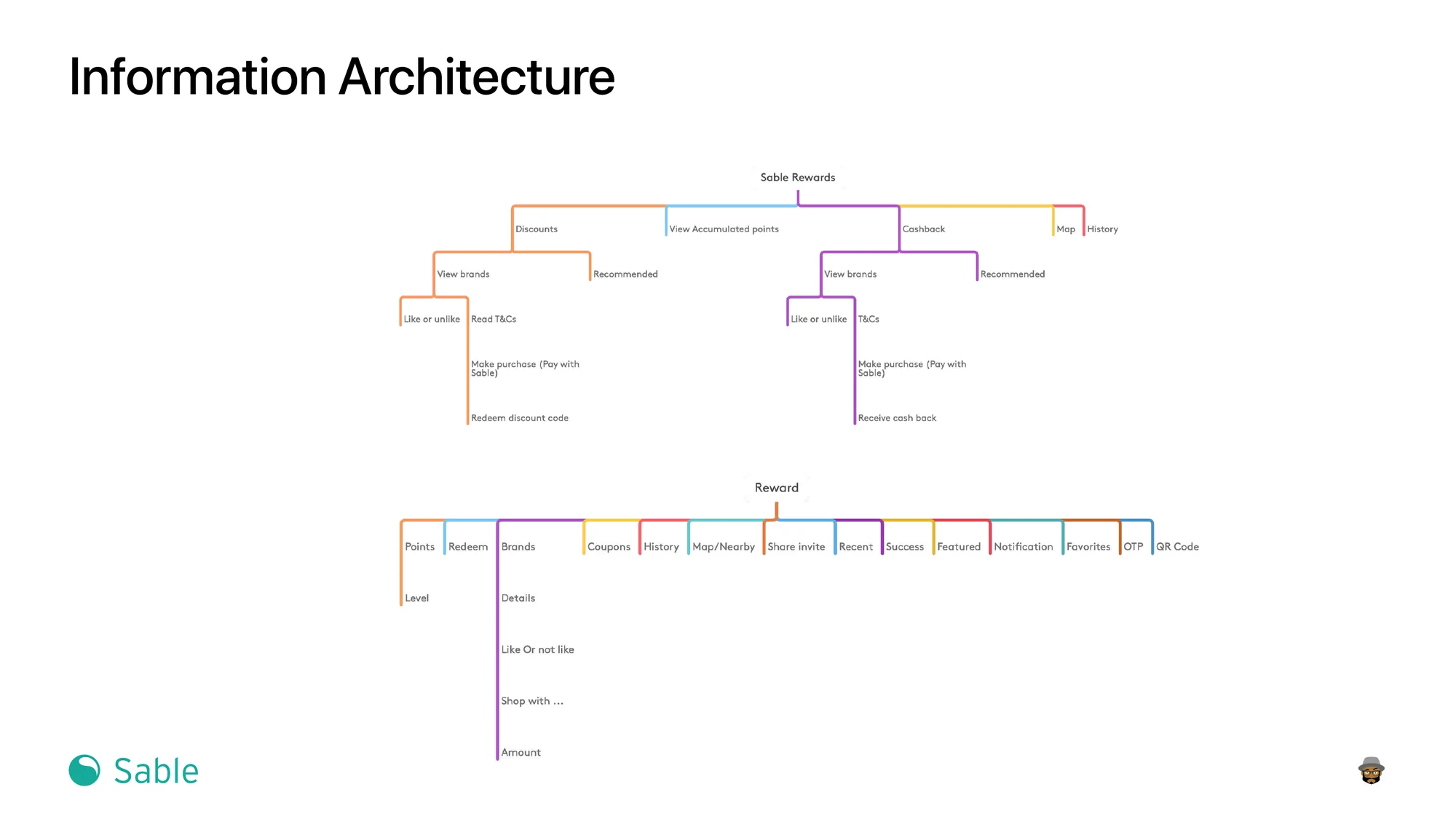
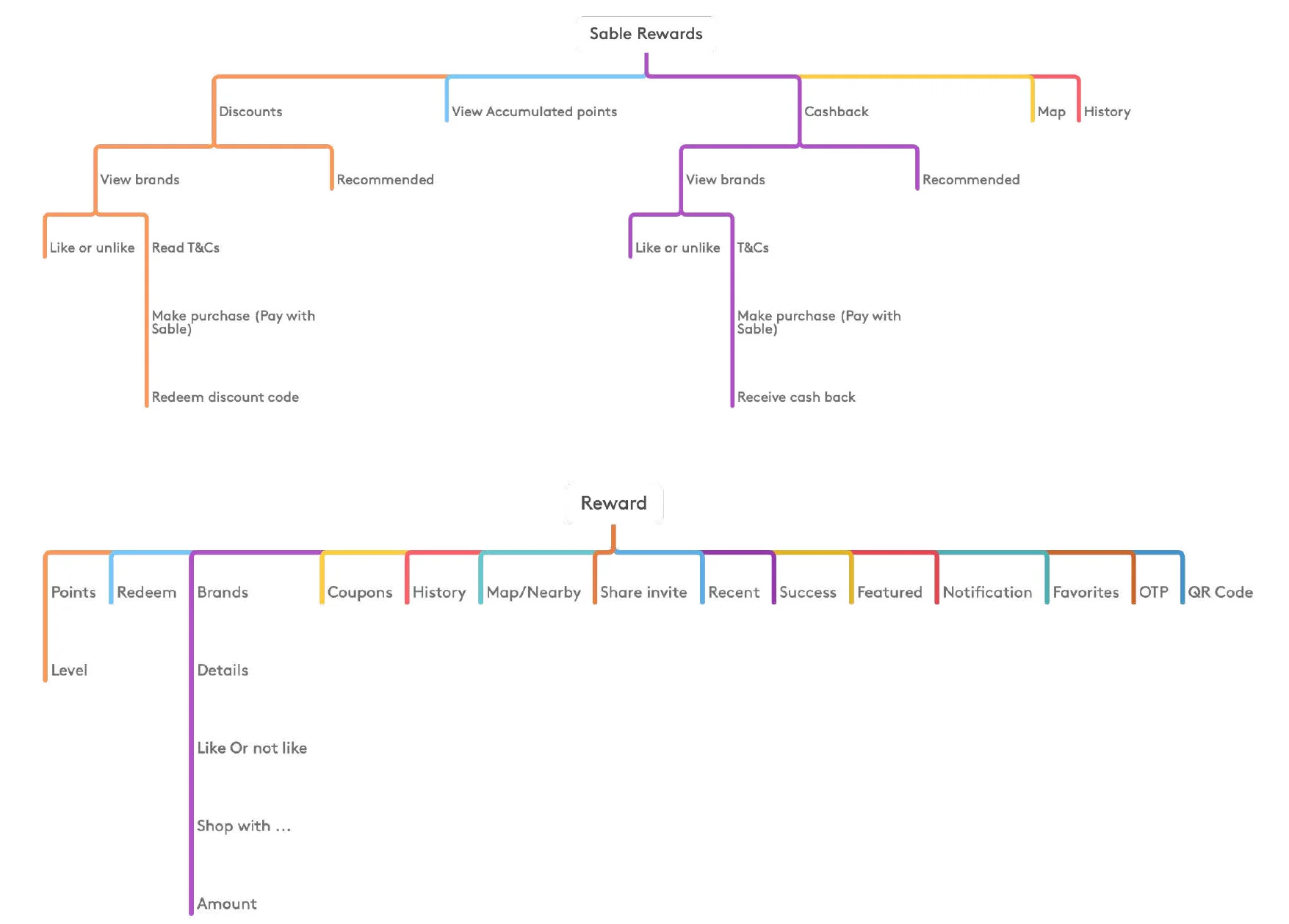
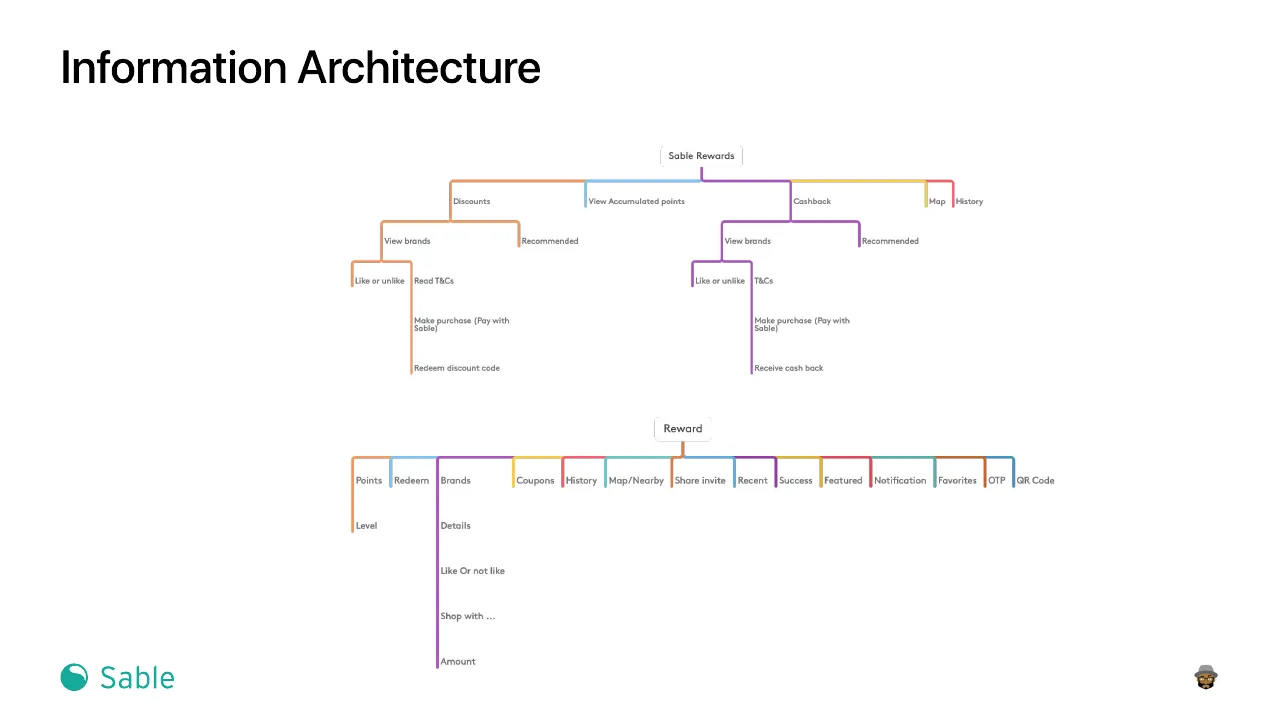
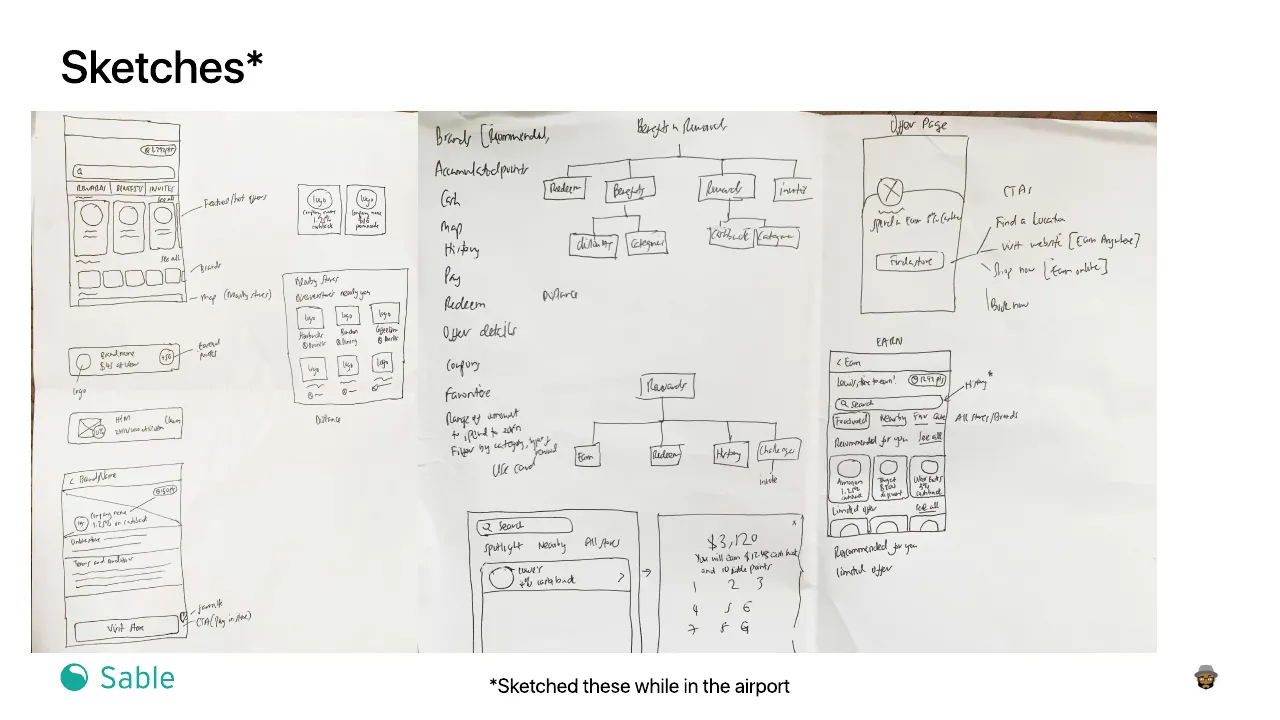
Rewards split into discounts and cashback, and both end the same way: pay with Sable.
Each branch runs from browsing brands, to liking them and reading the terms, to paying with Sable. Discounts end in a redeemed code, cashback in money back. Accumulated points, a map of nearby stores and history sit beside them.
A second pass listed every screen the program needed, from points and levels to coupons, notifications, one-time passwords and QR codes.
Sketches and moodboard
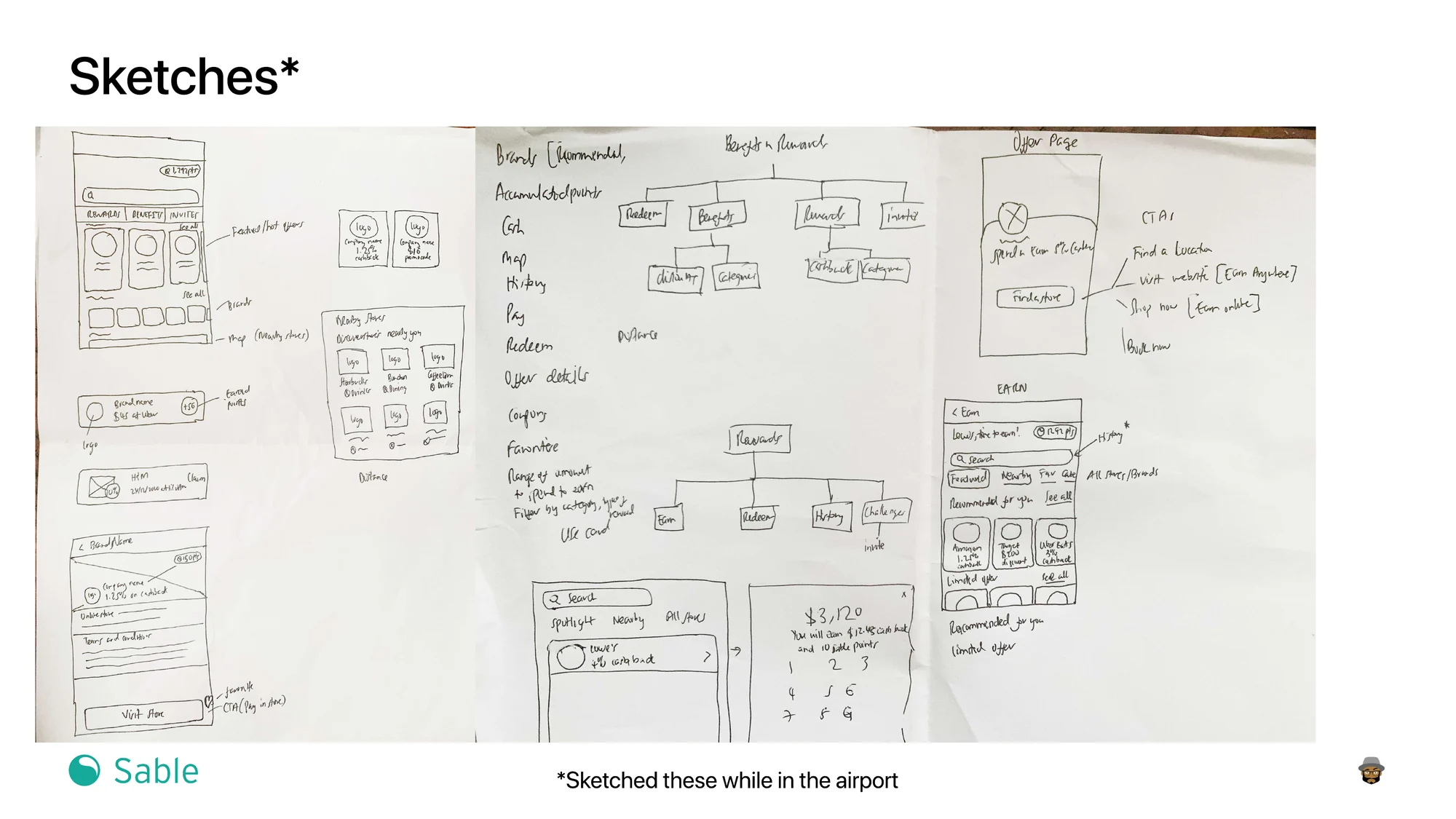
Early ideas went onto paper first, sketched while waiting at the airport.
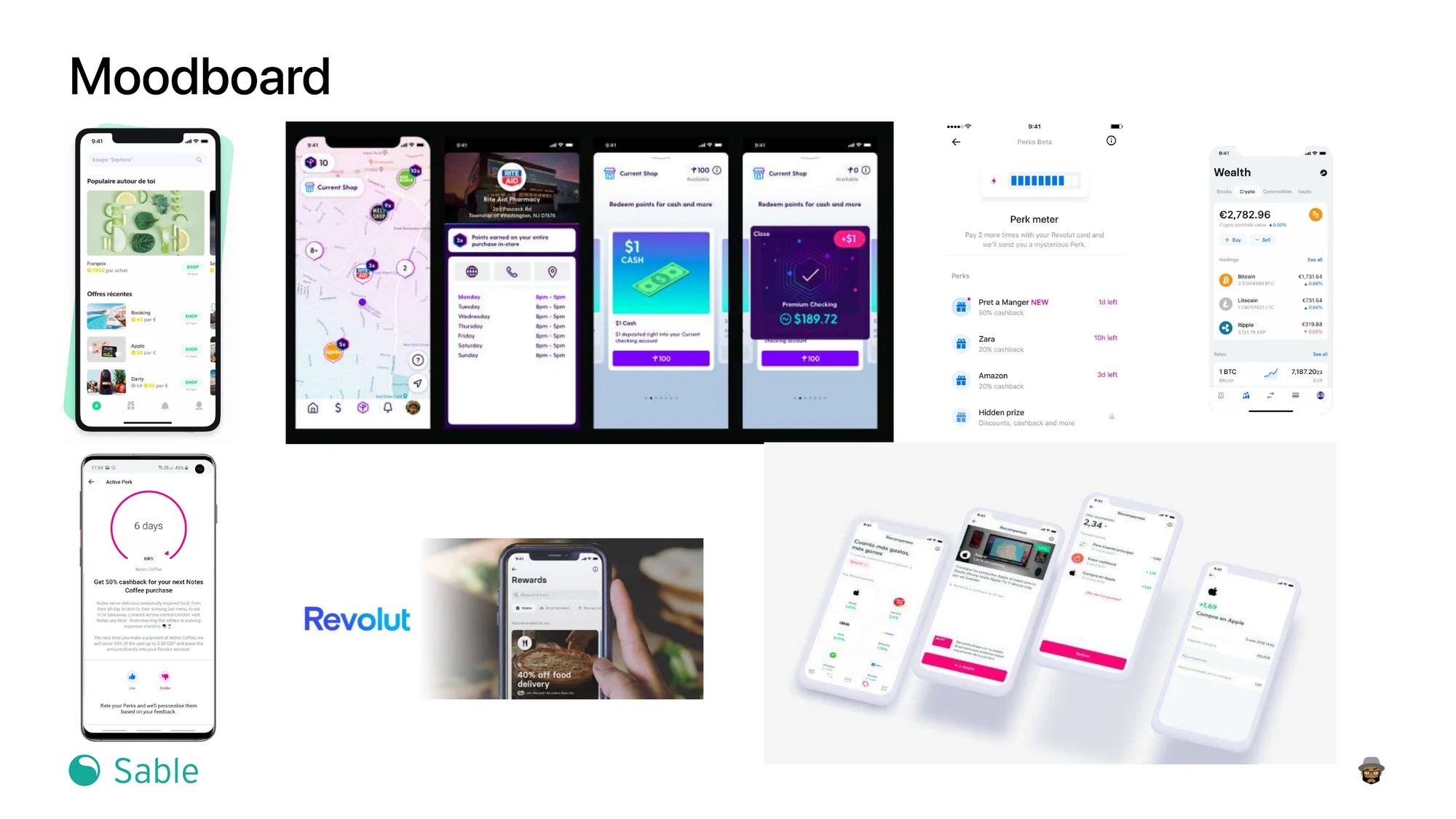
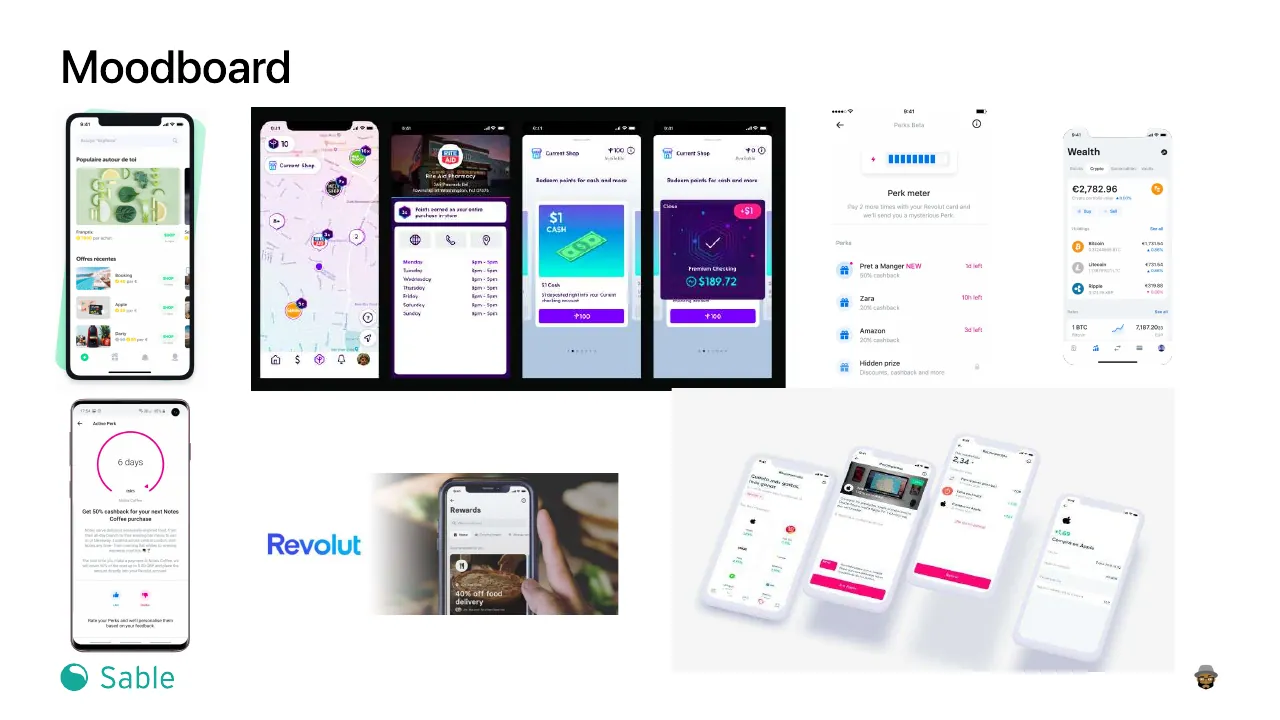
A moodboard of banking and rewards apps set the visual direction.
Solution
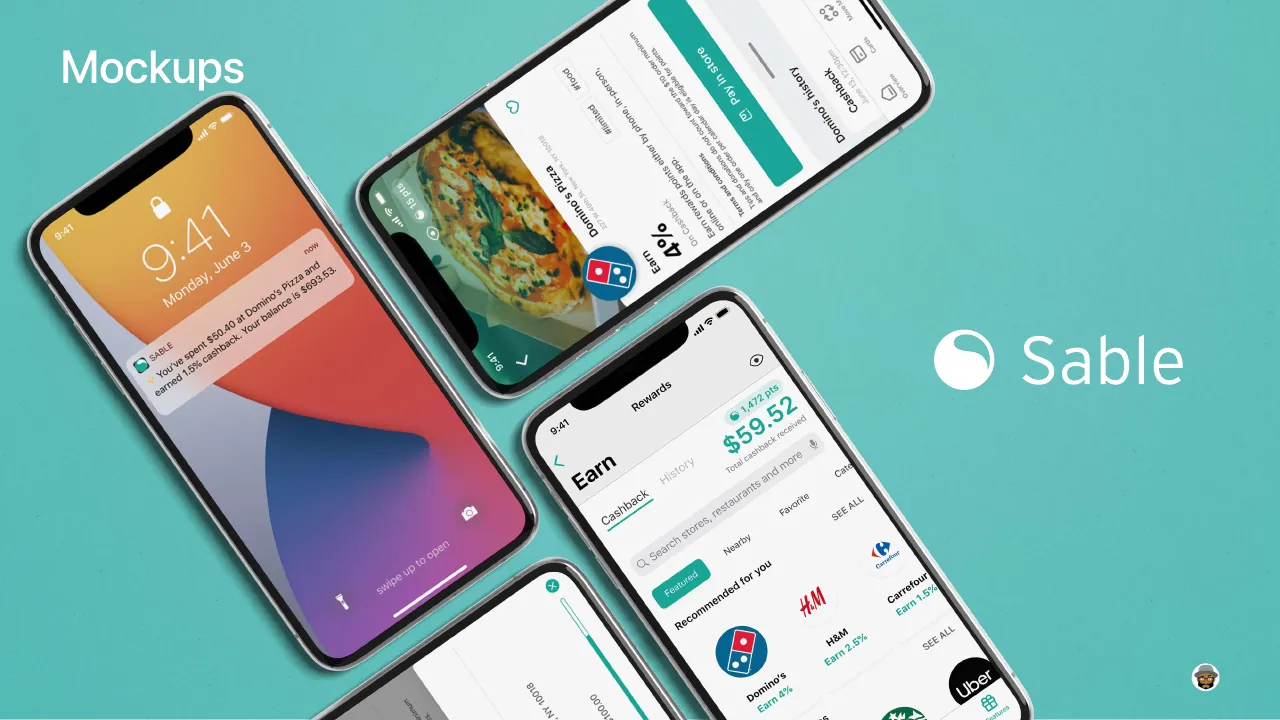
Earn from your own purchases, inside the bank you already use.
Reward details 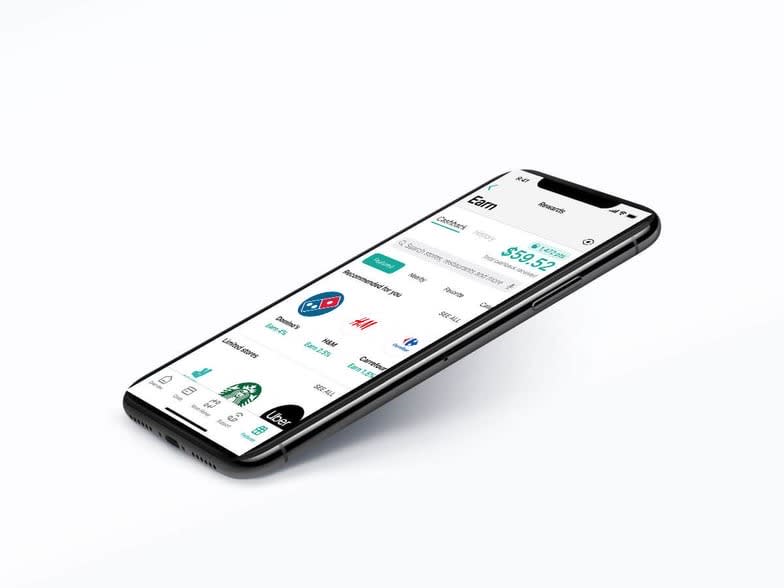
A showcase of rewards 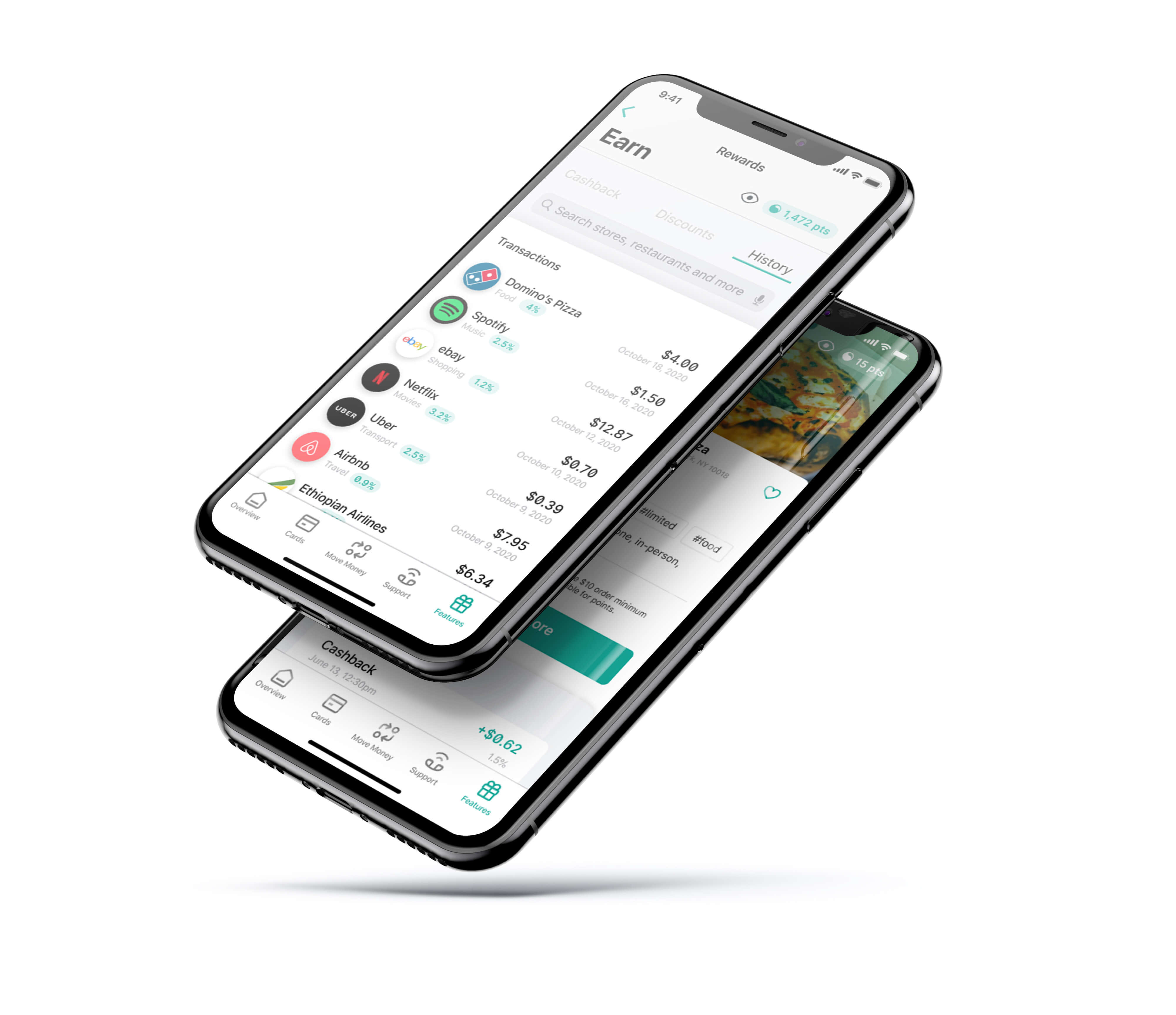
Rewards history
Things to consider
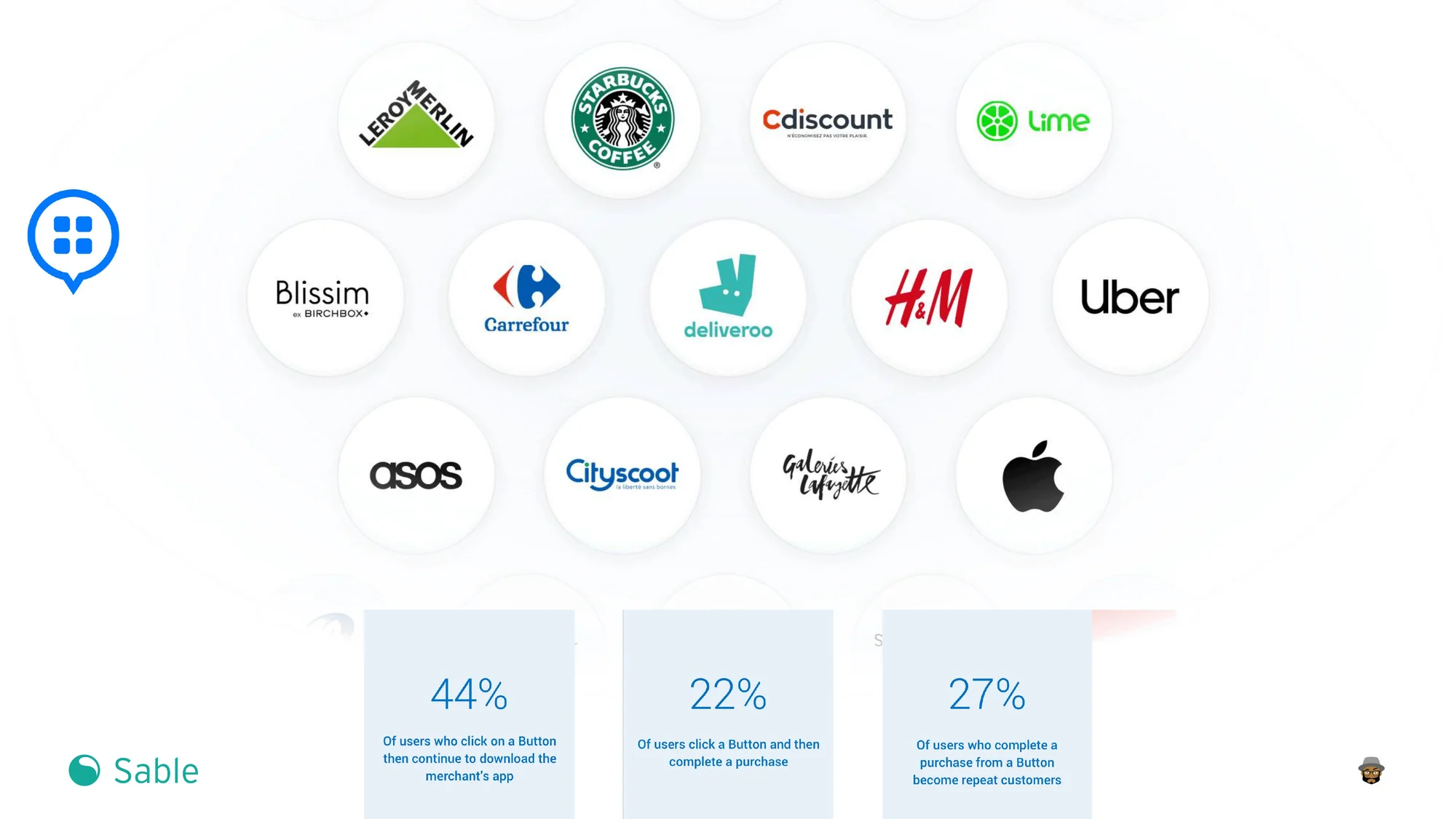
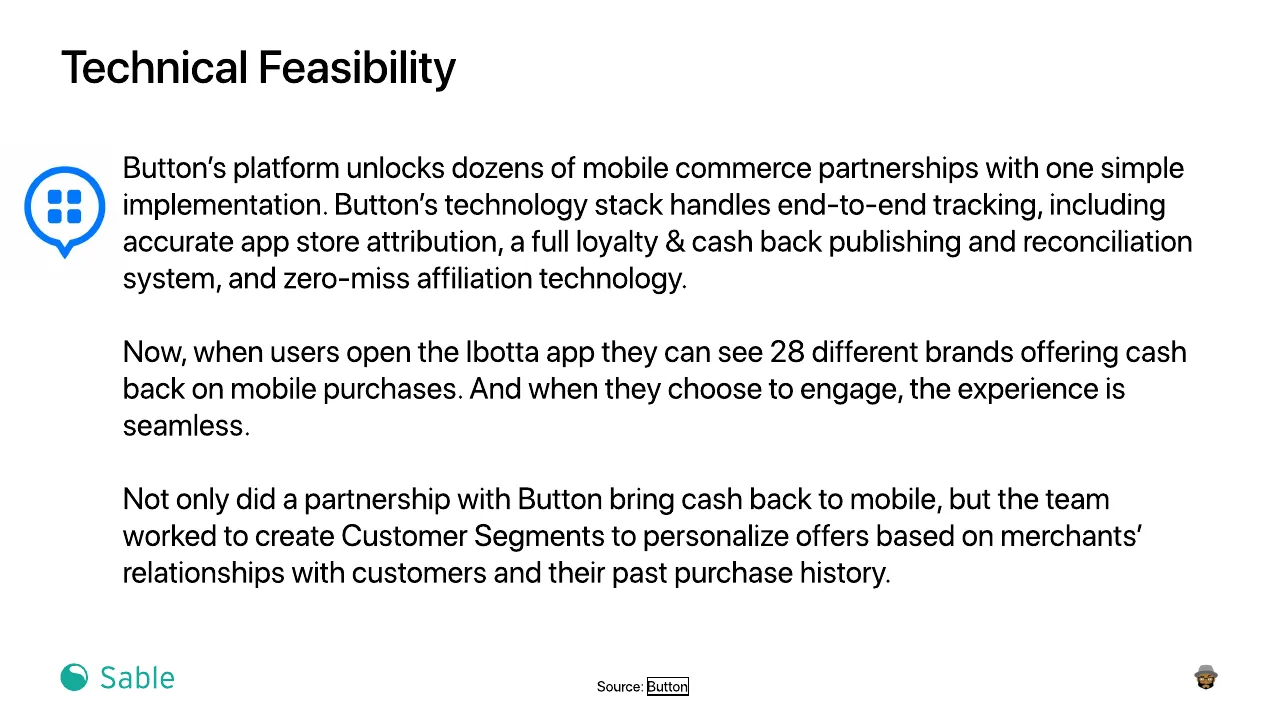
Technical feasibility: partner offers could run on Button, a mobile commerce platform.
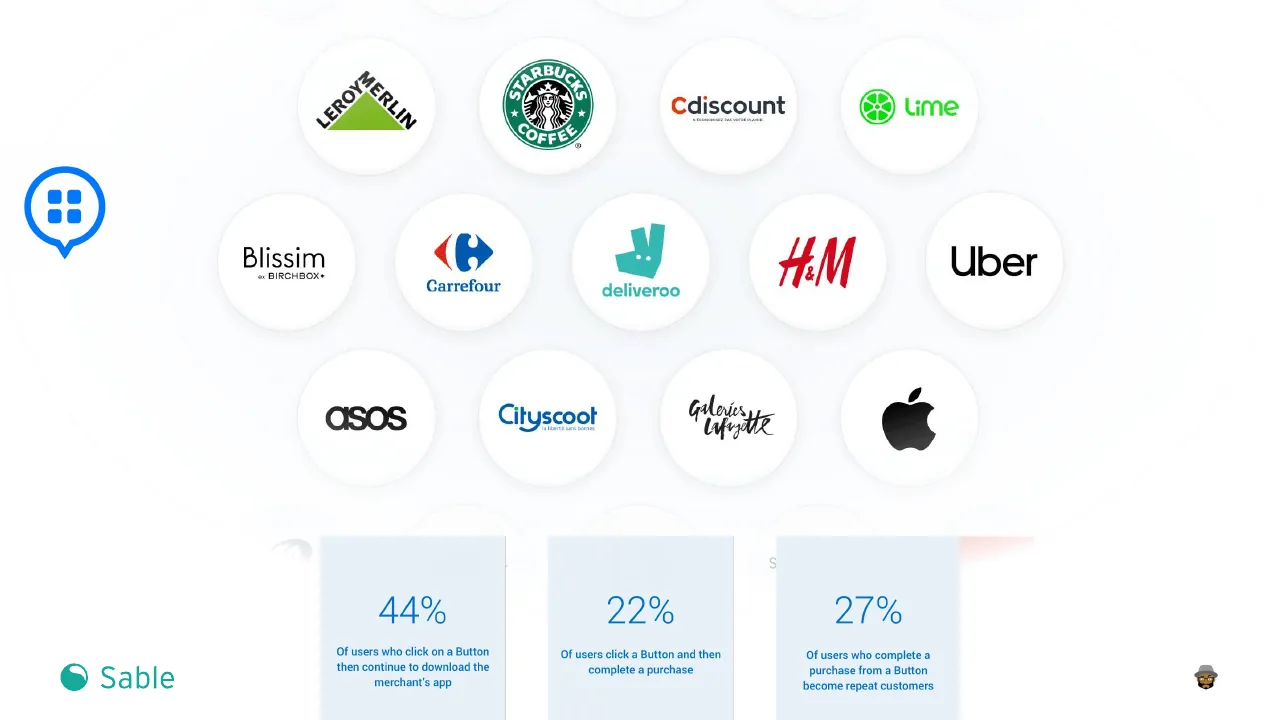
Button handles the tracking end to end, including app store attribution and a loyalty and cashback reconciliation system, so one integration opens dozens of merchant partnerships. Ibotta used it to show 28 brands offering cash back on mobile purchases.
Button’s published figures: 44% of users who click a Button go on to download the merchant’s app, 22% complete a purchase, and 27% of those who buy become repeat customers.
Future
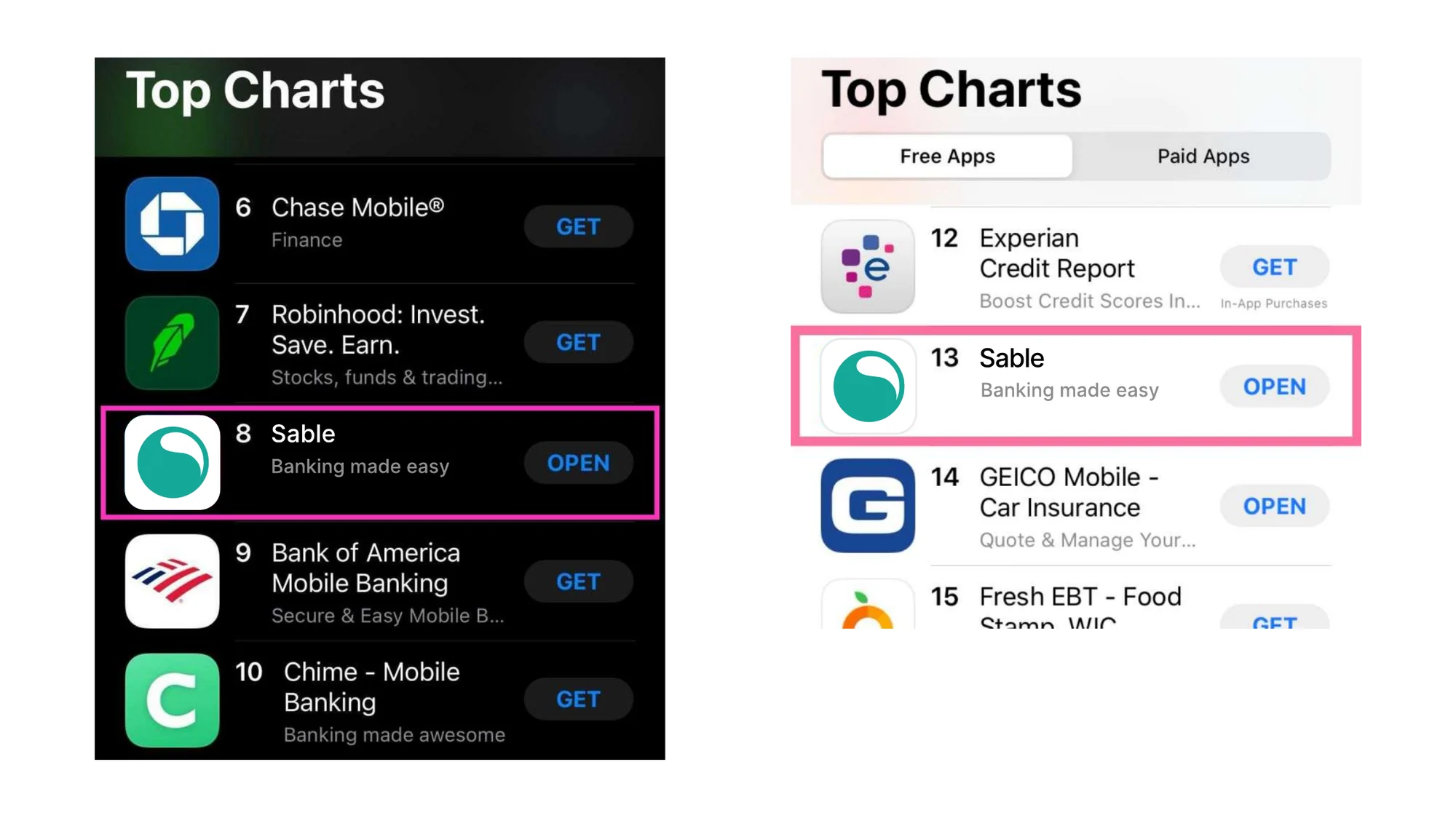
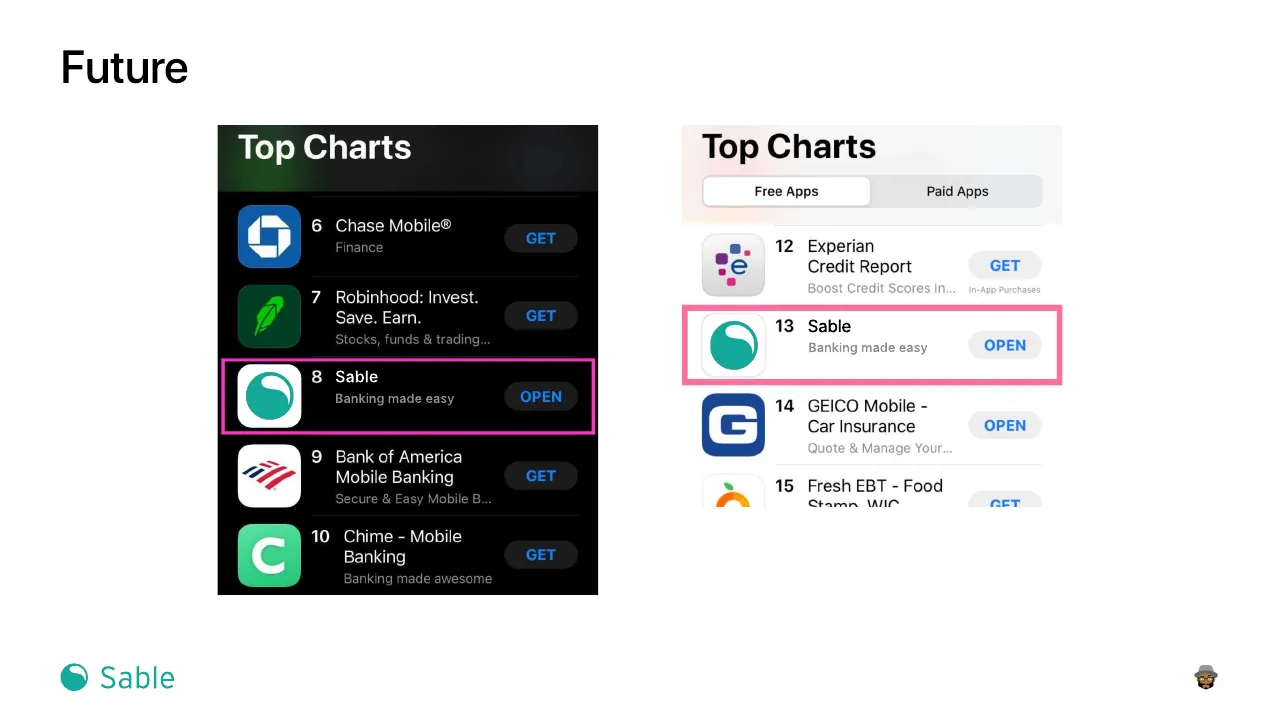
Where Sable went next: the top charts, then an acquisition.
Sable ranked 8th in one App Store chart and 13th among free apps. The company, part of Y Combinator’s Summer 2019 batch, has since been acquired, according to its Y Combinator profile.
The presentation
The 24-slide deck I presented for the challenge.
Every slide is below. You can also open the original PDF.

A bank for internationals that pays you back.